
Industry fund CEOs warn QAR against undermining adviser professionalism

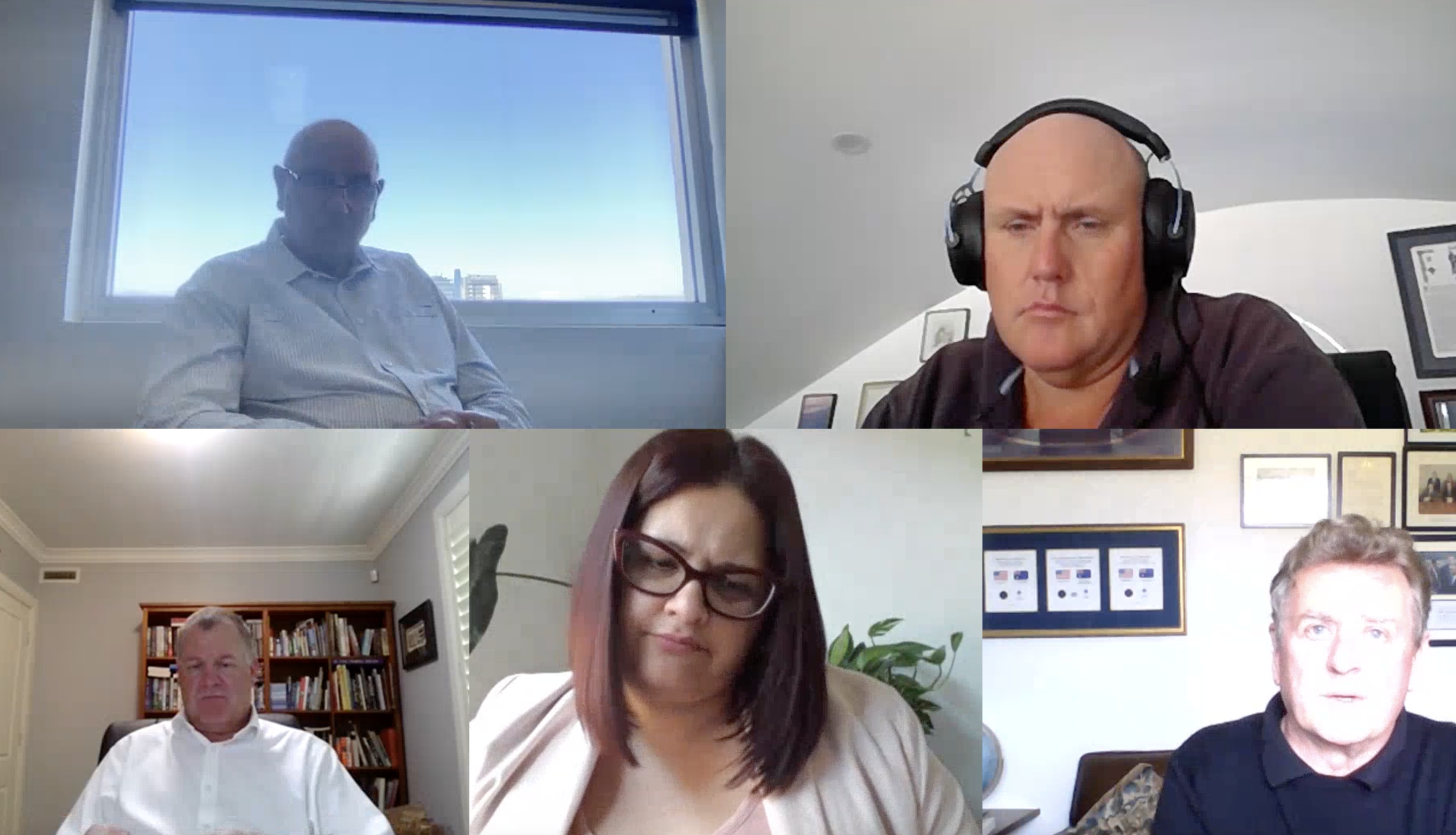
Two industry superannuation fund chief executives and an industry fund chair and former minister have warned the Quality of Advice Review (QAR) against undermining the professionalism which now distinguishes financial planners.
One industry fund chief executive went so far as to say his big worry was that the QAR would result in sales-based financial planning being allowed back into the equation.
A roundtable conducted by Financial Newswire revealed unanimity at the most senior levels of superannuation funds that while they believed their funds represented a good vehicle for the delivery of advice they did not want this to be at the expense of adviser professionalism.
NESS Super chief executive, Paul Cahill said he believed that the financial advisers left in the industry were “what you’d call ‘proper financial planners’ who are educated appropriately and have the right DNA”.
“That is versus sales-based financial planning which I think has been broadly pushed aside,” he said.
“My big worry is that sales-based financial planning comes back through the Quality of Advice Review and the Hayne Royal Commission basically ended that and if this review reintroduces it I will be a bit disappointed,” Cahill said.
“Because what we’ve got now is actually a profession – financial planners now are professionals, they’re not ex-phone salesmen or car salesmen like we used to have – they are full-blown professionals who are good at their job.”
“I watch our guys and they’re absolute professionals at what they do and I think it’s critical and any super fund that is worth its salt will have a financial planning function hard-wired into it because it’s all about giving back to the members in terms of their best financial interests.”
TWU Super chair and former Financial Services Minister, Nick Sherry said he shared Cahill’s concerns about the potential erosion of professional standards.
“I share Paul’s concerns notwithstanding we have professional standards and most [advisers] are professionals we have a conflicted model and if you were following the logic of the Hayne Royal Commission and I thought he’d go down this route, you’d have structural separation,” he said.
“You’d have very clear separation between advisers who are legitimate advisers and not product-sellers and the financial institution,” Sherry said.
“You don’t need advice and shouldn’t need advice every year but I think there are critical stages in your life when you do need careful examination of what your options are – certainly going into retirement and the three phases of retirement,” he said.
NGS Super acting chief executive, Natalie Previtera said her fund employed in-house financial advisers and wanted to increase members’ access to that.
“But we also see the different forms of advice have got a role so we’re really keen to see what the comes of the Levy Review will be and how we can leverage and open that up a little bit more,” she said.












He said ” You don’t need advice and shouldn’t need advice every year but I think there are critical stages in your life when you do need careful examination of what your options are –,” he said.
Wrong…. all the academic evidence now indicates people who do get advice year after year and have an ongoing relationship are happier, financially better off, are healthier, have a far greater level of financial well being ( a term adjusted to compensate the wealth effect) when compared to someone getting “once off advice”.
So if independent academics have spent 50+ years researching the subject, and these are academics from all over the world (including Griffith Uni in 2021), within the last couple of years have now conclusively found you’re better off having an ongoing relationship with a “financial planner” (another well defined term in academic research) then let’s design legislation to benefit those providing ongoing advice and let’s move away from this incorrect notion that we need to design advice based on a once off transaction from a Super fund. Quality advice is not buying a product it’s an ongoing relationship.
Do we listen to product manufacturers in designing legislation and how advice is provided, or should we listen to Academics?