
QAR must get rid of the difficult, the dumb and the duplicated

The key to delivering genuine improvement to financial planning from the Quality of Advice Review (QAR) is to get rid of the “difficult, the dumb and the duplicated “and, in particular, statements of advice (SOA) that cover recommendations advisers aren’t making.
Alongside making SOAs simpler and more relevant, the priority outcome from the QAR needed to be a simpler approach to fee renewal and consent – something licensees are already jointly working towards irrespective of the QAR outcome.
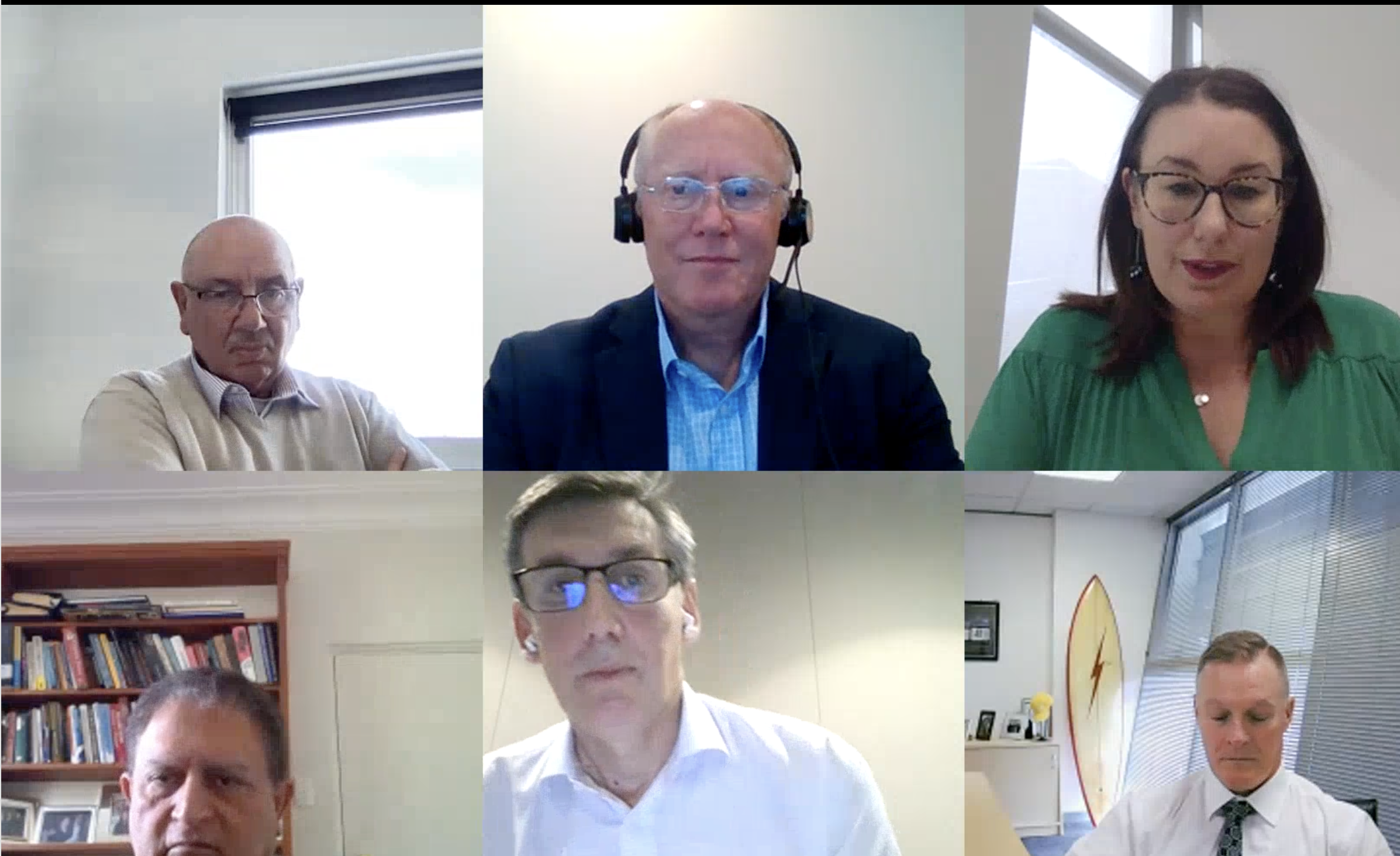
That is the consensus view of a Financial Newswire roundtable which also agreed that the proposals outlined by QAR chair, Michelle Levy, would place adherence to the financial adviser code of ethics front and centre in the advice equation.
Fiducian executive chairman, Indy Singh expressed his concern at what her perceived to be the approach adopted by Levy in opening proposals, arguing that she was coming at the situation from the wrong perspective.
“Michelle Levy is coming at the wrong way,” Singh said. “She is coming at it from the point of view of consumers and customers. We are talking about an adviser/client relationship which is deep, meaningful, and long-term and trusted.”
“If you give someone a product and [say] ‘see you later’, that is wrong,” he said. “When you give advice you bring it to a higher order and give it the respect it deserves.”
Both Singh and Infocus Wealth Management managing director, Darren Steinhardt were scathing of the current SOA requirements which they said compelled advisers not just to make recommendations but to outline the alternatives in the context of the recommendations they were not making.
“In the current SOA program we have a ridiculous document that takes an enormous amount of time to produce which is of no use except for a licensee and adviser in dealing with a complaint,” Steinhardt said.
“If we can get to a point where we can outline the recommendations we’re making rather than the recommendations we’re not making, it will make SOAs interesting and palatable.”
However, Steinhardt pointed out that under the current regulatory regime SOAs were vital in circumstances where it was a case of “no SOA, no advice, then refund”.
“An SOA is absolutely necessary but doesn’t need to be hundreds of pages – [It needs to] look at client needs, address what they want and find the right products for them. Why should I give them three alternatives when I am recommending something else?” he said.
“We need to have direction, we need to have rules and a process but we need to modify the process. It [the current regime] is over the top and protects no one,” Steinhardt said.
Financial adviser, Andrew McKee said that as well as simpler and more relevant SOAs he would “absolutely love a simple renewal consent form.
However, he argued that clients were still going to want documentation and that simplification was by no means a panacea.
“The code of ethics will move front and centre here,” he said. “It has to in terms of the best interests of the client.”












Having been involved in many discussions, I like the intent of what the QAR proposals are seeking to achieve but it has to be in concert with a review and rewrite of the FASEA Code. I realise such a review is outside of the terms of reference of the QAR but trying to effect meaningful change without addressing the Code is like tying your shoelaces with one arm tied behind your back.
The Code is not problematic, it is the interpretation being applied. It calls on advisers to look deep, examine their behaviour/motivations and then decide how to act. This is 180 degrees away from Chapter 7 that says, this step, this step etc. If the Code is “unworkable” it is because advisers aren’t prepared to step up and start exercising professional judgement. Did you get nothing from completing the Ethics Bridger?
The more these QAR debates go on, it seems more likely our profession is going to do the equivalent of asking Henry Ford to just build us a faster horse instead as we’ve found too many faults with the car he’s proposing
We can already see from these comment that Licensee’s still want to maintain SoAs and that will be the problem, licensees coming up with their own compliance requirements above and beyond the recommendation from the QAR. Licensees, who want to maintain their positions as middlemen under the guise of compliance. They said it in the above article, that the SOA is used for their own protection. The FASEA code, AFCA, and the AFSL regime must all be altered for there to be impactful change.
It makes no commercial sense to continue spending hours working on a SOA purely for compliance sake in case it happens to help your cause in the event you ever had a complaint….overall it’s going to be much cheaper to just pay the cost of that complaint if it ever happens.
I’m not sure this is about retaining SOAs. I get that licensees want to remain relevant and stay in business but the scary “dynamic duo” are ASIC and AFCA. How do you defend the advice you’re giving under “good advice” and FASEA “best interest” without “something” to demonstrate that – which is all the research, modelling, file notes and everything we’ve always done (unless they completely renovate their processes and methodologies)?
Sounds good, so we get rid of :
1) Chapter 7 of Corps Act & FARSEA for being so real world Difficult.
2) ASIC & AFCA for being so Dumb.
& 3) SDB, TPB, AFSL’s and AFC for crazy duplication.
Awesome, let’s see the QAR do it 🙂