Home > Investment > Energy supply disruptions draw ‘clear parallels’ to 70s shocks
Energy supply disruptions draw ‘clear parallels’ to 70s shocks

Yasmine Raso
Senior Journalist
23 March 2026

Investors have been urged to reassess, reposition and reinforce their portfolios for resilience as geopolitical tensions continue to escalate in the Middle East and significantly affect global trade routes and some of the largest oil and gas supplies.
Nigel Green, chief executive of global financial advisory deVere Group, has cautioned investors to “war-proof” their wealth, given attacks on key trade routes like the Strait of Hormuz and Qatar’s Ras Laffan LNG terminal, each responsible for 20 per cent of the world’s oil supply movement and global liquefied natural gas output.
Green made the move to draw comparisons between the current disruption to critical energy infrastructure and the energy shocks of the 1970s, when attacks to supply resulted in persistent inflation and forced a major repricing of risk across global markets.
“This is already feeding through into prices. And it appears to be escalating,” he said.
“There are clear parallels with the 1970s energy crisis. Supply shocks of this nature rarely remain contained. They ripple through economies, push up costs, and force investors to rethink positioning.
“Markets are only beginning to adjust to that reality. Portfolios built around assumptions of stable energy prices and frictionless global trade are increasingly vulnerable.
“War-proofing is about resilience—ensuring portfolios can withstand disruption rather than relying on stability.
“This is a structural shift in how risk is being priced. Energy infrastructure is being targeted, and supply chains are under strain in a way that echoes previous global shocks.
“Investors who remain positioned for calm conditions are taking on unnecessary risk.”
Green also listed several strategies investors could leverage to readjust their portfolio’s preparedness and capability to weather ongoing market volatility.
“Periods of geopolitical escalation typically increase demand for hard assets [such as gold] that can help offset currency volatility and market stress,” he said.
“Oil and gas producers, particularly those operating outside high-risk regions, are likely to benefit from sustained supply constraints and elevated prices as markets adjust to disruption.
“Rising energy costs often feed through into wider input prices across the global economy, reinforcing [commodities’] role during inflationary periods. Industries reliant on cheap fuel and uninterrupted global logistics, including airlines and parts of heavy manufacturing, face increasing pressure if disruption persists. In contrast, sectors linked to energy, defence, and infrastructure may see stronger demand as governments and companies respond to heightened risks.”
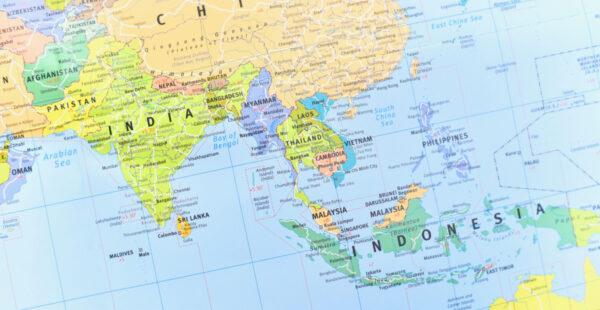
“Concentrated exposure to regions heavily dependent on Middle East energy, particularly parts of Asia, “may increase vulnerability, while broader global exposure can help reduce risk. Energy-importing economies may come under pressure, while the US dollar and commodity-linked currencies have historically strengthened during periods of geopolitical stress and rising oil prices.”
Green said investors need only consult the history books to realise how energy shocks can “reshape markets in profound ways”.
“The 1970s crisis drove inflation higher, altered capital flows, and rewarded those who were diversified across real assets, regions, and currencies,” he said.
“The current situation carries many of the same characteristics, with direct threats to supply, transport routes, and pricing stability.
“Investors should be taking a clear-eyed view of their exposure—considering diversification across asset classes, sectors, and geographies, and ensuring they are not overly reliant on any single outcome.”









None of these lessons were applicable to the Dixon collapse? Whereas this case at InterPrac relates to the MIS operator…
Even frivolous cliams that have no merit and that were dismissed by both courts and AFCA are still counted as…
Agreed, let’s shine some light on the 1% of complaints ASIC receives and does something about. Also showing the 99%…
So the reborn child of FPA & AFA that both somehow supported Grandfathered Commission Theft, LIF & FARSEA that collectively…
How about the same dashboard for industry super funds?