
Gender pay gap falls to record low but equality in senior roles stalls

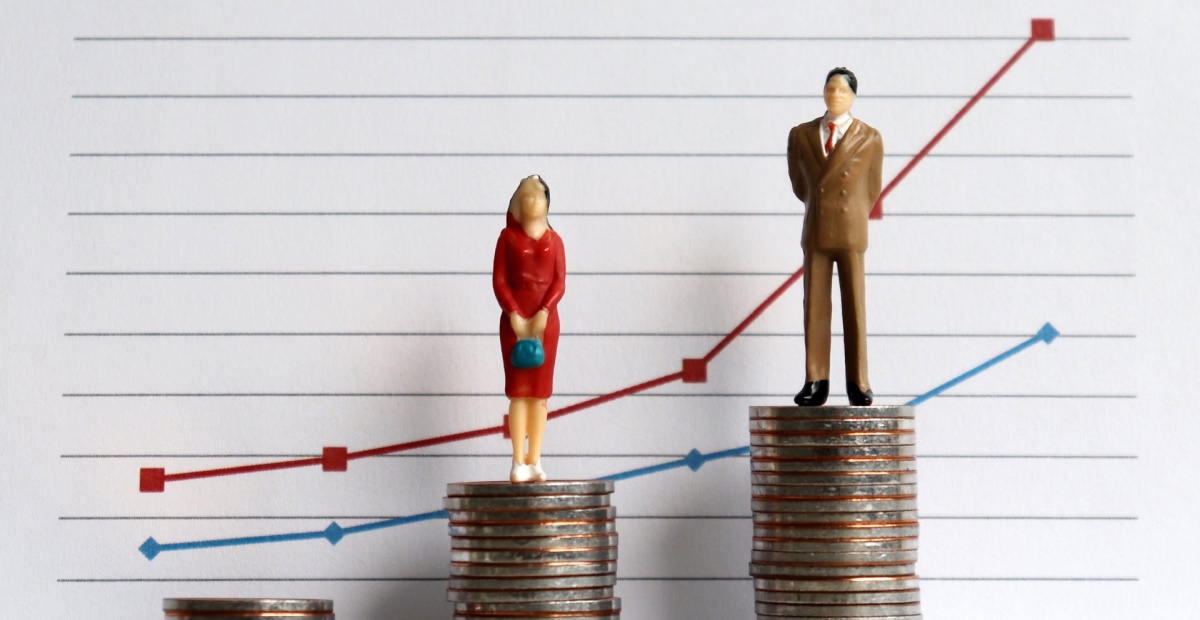
Lagging improvement in women’s representation among senior leadership roles has dampened the progress made on Australia’s gender pay gap reaching a new all-time low, according to the latest data from the Workplace Gender Equality Agency (WGEA).
According to the 2025 WGEA Scorecard the gender pay gap has fallen to 21.1 per cent, but only 22 per cent of CEOs are women and 39 per cent of key management personnel roles are held by women across employers who report their personnel data to the WGEA, remaining relatively unchanged from the previous year.
“Australia’s gender pay gap has fallen to 21.1%, its lowest on record. This is a positive step and shows that employer action is making a difference,” Chief Executive Women (CEW) chief executive, Lisa Annese, said.
“However, progress remains far too slow, particularly at the top. The proportion of women CEOs hasn’t moved in 12 months, and the representation of women in key management roles has barely shifted.
“These findings reflect what we identified in the CEW Senior Executive Census. Across the ASX 300, nine out of ten CEOs are men. Seventeen companies still have no women in executive leadership at all. Progress in the middle of organisations is not translating to the top.”
Annese said the figures emphasised the need for “clear accountability mechanisms, stronger action and concrete commitments” to achieve economic gender equality and deliver improved benefits for organisations, especially given that women are pulling back from the workforce at higher rates than men despite earning more promotions.
“When more women are in decision-making roles, they bring perspectives shaped by their own experiences,” she said.
“They understand the impact of inadequate parental leave, inflexible work arrangements, and the career penalties that come with caregiving responsibilities. They are more likely to champion policies that address these barriers.
“Flexible work and stronger care policies can help stem some of that attrition. When women are supported to stay in the workforce through mid-career, when they’re having children and taking on more caregiving responsibilities, the pay gap narrows over time.”
Annese confirmed a key barrier to advancing gender equality has been a “lack of accountability”.
“Just 30% of employers have set targets for women in key management personnel roles. Only 21% have set targets for their boards. This is far too low,” she said.
“We know targets work. CEW research found that companies that set gender balanced targets are 2.7 times more likely to have gender balanced executives.
“We have seen some progress towards creating accountability with the passage of the Workplace Gender Equality Amendment Bill 2024. The new legislation requires large employers to set gender equality targets and demonstrate the progress they make towards those targets.
“This is an important step. It will ensure that accountability is built into the system, not left to good intentions. There is an urgent imperative to act boldly. The gender pay gap, while improving, remains too high.
“CEW looks forward to continuing to work with employers and government to accelerate progress and ensure Australian workplaces deliver true parity for all women.”









Always back self interest when a body is marketing a submission to the government
In other words the system is achieving what the government wanted to happen.
Every day I come on here it feels like it is just the SMC trying to lobby to make one…
Well our compliance and red tape costs average around $200-$250k per adviser. Go ask the government why advice is so…
Personal Financial Advice should be offered, but it needs to be independent of the Industry Funds and their trustees of…