
‘No real choice but to pull the trigger’: Market reacts to RBA hike

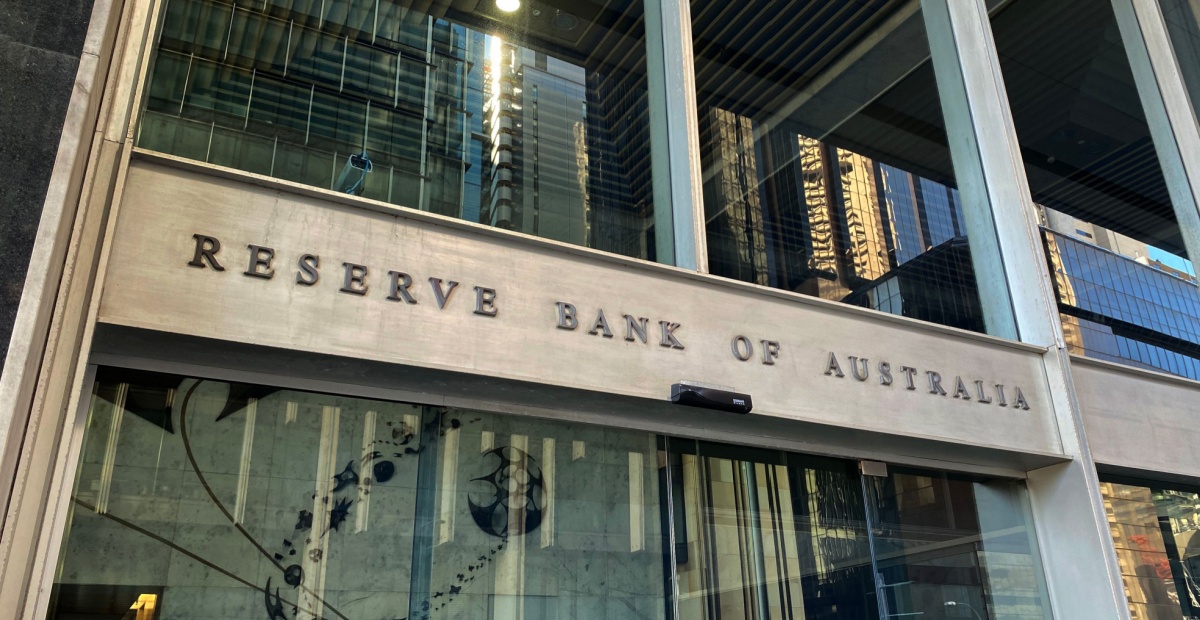
Market consensus has determined that while inflation had backed the Reserve Bank of Australia (RBA) into a corner with no choice but to hike the official cash rate by 25 basis points yesterday, the economy is still showing few signs of slowing down to more steady territory.
VanEck’s Head of Investments & Capital Markets, Russel Chesler, said the central bank “had no real choice but to pull the trigger”.
“While the move was widely expected, it marks a clear escalation in the fight against inflation. With annual inflation still running at 3.8% as at December 2025, the RBA is a long way from declaring victory, and one rate rise alone is unlikely to do the job,” he said.
“What makes this decision more consequential is that the economy is showing few signs of cooling. Unemployment remains low at 4.1%, household spending is holding up, and property prices continue to climb. Yesterday’s ANZ-Indeed Job Ads data showed ads jumping 4.4% month-on-month in January, the strongest increase since early 2022, signalling renewed momentum in the labour market rather than the slowdown the RBA would be hoping for.
“On top of that, home prices are continuing to march higher, rising 0.8% in January according to Cotality, up from 0.6% in December. Add elevated electricity costs, higher global tariffs and stubborn services inflation, and the risk is that inflation becomes entrenched. In that environment, the market’s expectation of just one more rate rise later this year may prove too optimistic, with the next move potentially coming sooner, and possibly more than once.
“For investors, this is not a benign backdrop. Higher rates and a resilient economy tend to favour cyclical areas of the market. We expect resources, industrials, mid and small cap stocks to benefit from ongoing economic momentum and firm household demand, particularly companies with inflation-linked revenues and pricing power.”
Adam Bowe, Executive Vice President and Head of Australia Portfolio Management at PIMCO, said the RBA had determined monetary policy to not be restrictive enough to bring inflation back within its target range of two to three per cent, despite several factors such as electricity prices contributing to the inflation surge but are not directly affected by monetary policy.
“Recent inflation and employment data has been very volatile which makes discerning signal from noise very challenging at this juncture,” he said.
“What we do know is that the improvement in GDP growth last year was driven by a pick-up in household consumption. Given high household leverage and the fact that the percentage of household incomes being dedicated to tax and mortgage payments remains near all-time highs, the durability of the consumption improvement is questionable with a higher cash rate.
“The volatility of recent inflation and employment data, in conjunction with a household balance sheet that is highly sensitive to interest rates, suggests a cautious approach to monetary policy over coming months.
“We consider the current cash rate as restrictive, and expect that overtime it will cool demand and bring inflation back into the 2-3% target band. If RBA chooses to tighten policy modestly further to bring inflation down more quickly we do not think they will need to lift the cash rate to the prior peak of 4.35% given the modest overshoot in inflation this time. With the market pricing the cash rate back above 4% and yields on 10 year Australian Commonwealth Government Bonds reapproaching the highs of the past 15 years we think there is considerable value in Australian duration.”
Knight Frank’s Chief Economist, Ben Burston, said commercial property’s recovery path “remains in place” despite yesterday’s decision.
“However, the decision reinforces the message that income growth will be needed to drive returns in the early cycle recovery phase,” he said.
“The increase in rates will act to slow down nascent signs of yield compression, but the outlook for property returns remains on a solid footing given limited supply pipelines across multiple sectors, including office, industrial and living sectors.
“This will act to drive rental growth over the medium term, and we are already seeing evidence of this in the office market where strong growth is now being recorded in Sydney, Brisbane and Adelaide with other cities set to follow.”
Gavan Ord, Business and Investment Lead at CPA Australia, said household budgets and small businesses would be significantly affected by yesterday’s cash rate hike.
“Borrowers who had been encouraged by recent rate cuts will be deeply disappointed, particularly households coming off long‑term fixed rates who are now facing much higher repayments,” he said.
“Small businesses remain under pressure from high borrowing costs, rising inflation and low consumer confidence. What small businesses need most is decisive government action to reduce red tape and improve the overall business environment. Removing unnecessary regulatory burden helps businesses focus on growing, employing people and serving customers.
“Many small businesses will have little choice but to pass some of these costs on to customers. Others will need to rethink investment and growth plans to manage cash flow and financial risk. Incentivising small businesses to seek professional advice would strengthen resilience and improve long‑term outcomes during periods of economic uncertainty.”










And will ASIC ever listen to or provide support to Advisers. Hell NO, Advisers remain the favourite scapegoats.
It is a moronic ATO / Super system design from Canberra that proves how freaking useless they are for Financial…
Will tax professionals be held to the same standards as advisers when providing this "advice"? Recent client was advised to…
very sensible - almost blindingly obvious. Hard for the govt to argue against......unless there is an agenda
Why would accountants want this? At the moment they can operate unlicensed, under the radar and ASIC doesn't care when…