
What’s next for Brisbane’s housing market?

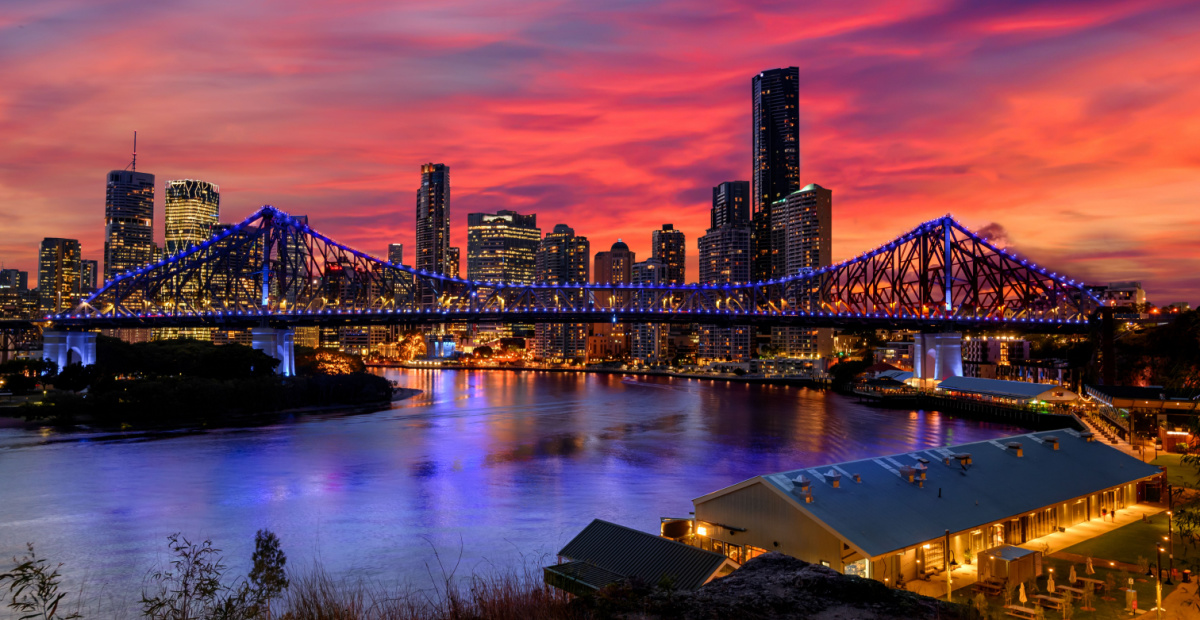
Despite the recent declines, Brisbane’s property value still remains almost 30% higher compared to the previous trough in August 2020, with rate of decline expected to slow over the coming months.
The homeowners across the Greater Brisbane, which benefitted from a pandemic-driven population growth followed by a 43% increase in housing value, are expected to see only “marginal risk of negative equity”, with the exception of “very recent buyers” who acquired their properties around the peak 2022 with less than a 20% deposit, according to CoreLogic.
Nevertheless, the data from CoreLogic’s Daily Home Value Index (HVI) showed a 10.9% decline in home values in Brisbane between its peak in June 2022 and 28 January. By comparison, the national index’s record decline which occurred on the 7 January, 2023, was 8.6%.
This means Brisbane’s price falls were declining at the fastest pace as the cycle from the peak-to-trough took only seven months whereas, on average, declines in the city’s dwelling markets lasted 14 months and ranged from -2.9% to -10.8%.
Eliza Owen, CoreLogic head of research, said that the second largest downturn in Brisbane home values historically took place between April, 2010 and January, 2012, and took 21 months to reach a similar decline with the current downturn.
According to the CoreLogic’s outlook for the Brisbane market, the price falls barely dented pandemic gains despite the new records.
Given that median dwelling value in Brisbane increased from $506,553 at the onset of COVID-19 in March 2020, to $707,658 at the end of 2022, the city’s housing market was adjusting to a sharp increase in borrowing costs over the second half of 2022 following the decision of the Reserve Bank of Australia (RBA) to commence its rate-tightening cycle.
Also, Brisbane maintained the third highest gain in value of the capital cities since the start of the COVID-19 pandemic but now stands out as one of two capital city markets with record declines, the other being Hobart.
According to Owen, some factors may be placing a floor under the market as the pace of price falls across Brisbane has been slowing in recent months.
“The first factor is relative affordability. Although housing values remain higher than pre-COVID levels, Brisbane retains a lower price point than Sydney, with a $435,170 difference in median house values and $280,749 difference in median unit values,” she said.
“The gap between Brisbane and Melbourne housing values is also significant, with a $119,697 gap between median house values and $97,692 difference in median unit values. This could encourage ongoing housing demand from those willing to migrate to the state, or own an interstate investment.”
Additionally, Brisbane continues to experience above average levels of interstate migration, with the migration into Queensland tracking 63% above the decade average, with net interstate migration into Queensland by far the largest across the states and territories.
On top of that, rent values increased a further 13.4% in 2022, suggesting an underlying shortage of available housing across the city, Owen said.
“Similarly, a low volume of listings persists, where the volume of advertised stock is trending almost 40% below the previous five-year average.
“While Brisbane property values are likely to fall further in 2023, it is possible the rate of decline will continue to slow over the coming months.”







Is it not a cost of completing the transaction? Why should it be removed from any analysis, applicable govt charges…
Misleading figures. We’d have millions and millions removed in our client base with LS. Almost 100% came straight back in…
Financial planners, you know exactly what will happen next. Get your wallets out- Cslr bill coming your way!
Another day and yet another shouty SMC story running about trying to push regulators to enter union super into Australian…
These funds should be a lot more concerned about their investment returns, which are starting to look very sick. Waiting…