
Specialist advisers to play scam guards

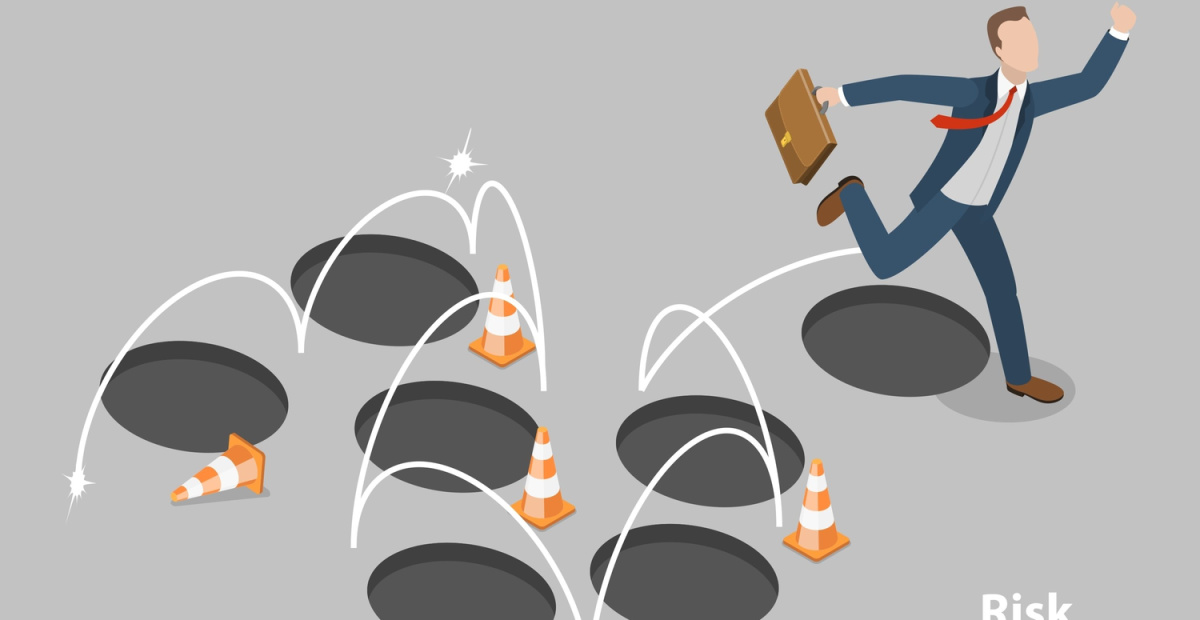
Specialist self-managed super fund (SMSF) advisers and members of the SMSF Association have been prompted to take a more active role in improving client awareness of scams and educating them to correctly “spot and report”.
The calls come as Scam Awareness Week was launched on Monday and new figures released revealed $4 billion is expected to be lost to scams in Australia in 2022, as investment scams are forecast to lead the charge with $267 million already reported lost as of 31 August this year.
“As these investment scams continue to grow and become more sophisticated, they present a very real risk to our sector,” John Maroney, SMSF Association chief executive, said.
“Not only are SMSF trustees and self-directed investors often impacted by these scams, but major investments can be irreversibly damaged by scams and cyber-attacks. We’ve seen that with Medibank and Optus in recent months.”
The association said it felt responsible to “raise awareness, encourage conversations and promote vigilance” to protect SMSFs from such losses, which was why it launched its own Scams Awareness website last year.
The website aims to “help people identify common scams, explain how to report scams and to offer tips on how people can protect themselves from scammers”, aligning with the broader goal of Scam Awareness week to also highlight the diverse range of scams in circulation.
Investment scams accounted for 70 per cent of total losses reported to Scamwatch this year as of 31 August, with cryptocurrency investments seeing the highest amount of losses.
“We are calling on SMSF specialist advisers to take a lead role in understanding the warning signs and educating trustees and self-directed investors on scams, and to proactively reach out to clients and encourage them to report scams they may have heard about or experienced themselves,” Maroney said.
“The Association has an important role to play in protecting our community. We will endeavour to continue educating SMSF professionals, trustees, and self-directed investors on how best to protect their retirement savings.”












First rule of noticing a scam:
If it looks too good to be true – it’s probably a scam!
The first S in SMSF is Self, if people can’t afford or choose not to see an adviser, it isn’t my problem if they get done in a scam. ASIC should do their job rather than making it impossible to give cost effective financial advice.