
SMEs face cash flow strain as payday super looms


Small and medium enterprises (SMEs) are facing mounting cash flow pressure ahead of the federal government’s “payday super” reforms, with new research showing many are unprepared for the shift in how superannuation is paid.
The ScotPac SME Growth Index found that while 88% of SMEs are aware of the changes, 68% have made no preparations for the transition, which will require employers to pay superannuation at the same time as wages instead of the current quarterly cycle.
Set to take effect from 1 July, the government claims the reform will lift retirement savings through stronger compounding returns and help the Australian Taxation Office detect dodgy employers earlier. But businesses fear it could remove a key liquidity buffer.
ScotPac chief executive Jon Sutton said the findings point to a “material and underappreciated risk” for SMEs already dealing with rising costs, supply chain pressures, and ongoing global uncertainty.
“On the surface, it’s encouraging that most SMEs are aware of the changes. But when a majority have failed to make any financial preparations, it’s clear many businesses are underestimating the cash flow impact,” Sutton said.
“In the current climate of economic uncertainty driven by the flow-on effects of the Middle East conflict, business owners need to focus on what they can control – starting with a cash flow plan to smooth the introduction of payday super.”
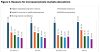
The report shows smaller businesses are most exposed, with micro-SMEs significantly less likely to have taken steps to prepare compared with larger firms.
Among those that have acted, most have sought advice from accountants or explored short-term cash flow support options. Only a small proportion have secured additional funding in advance of the change.
Sutton said businesses should model the impact now, understand the extra working capital required, and put funding structures in place.
“Access to flexible working capital will be key – not just to meet super obligations, but to ensure businesses can continue funding day-to-day operations without disruption,” he said.
The research also suggests the reforms could have broader operational consequences, with around one in five SMEs considering staffing adjustments to offset increased cash flow pressure once the system changes.
Industry experts expect advisers and brokers to play a larger role in helping businesses adapt as they reassess funding needs and costs ahead of implementation.








so for someone who has already exchanged contracts on an off the plan build in an SMSF that doesn't settle…
My Dear Comrades....I don't think the Public Servants in the Department of Red Tape really care about "challenges".
Gender Super Gap is rather pointless as a measure of inequity when it only considers one part of a persons…
The problem with the left is not just their identity politics, but that they think the government must provide everything…
Arrogant Snake Chalmers