
Vanguard’s ETF assets top $100bn in Australia first

Vanguard Australia has become the first exchange-traded fund (ETF) issuer in Australia to surpass $100 billion in assets under management, coinciding with the group’s 30th year of operations in the country.
The $17.86 trillion global asset manager reached the threshold on Monday, supported by sustained inflows into broadly diversified, rules-based portfolios and an ongoing shift by investors away from higher-fee active strategies across retail and advised channels.
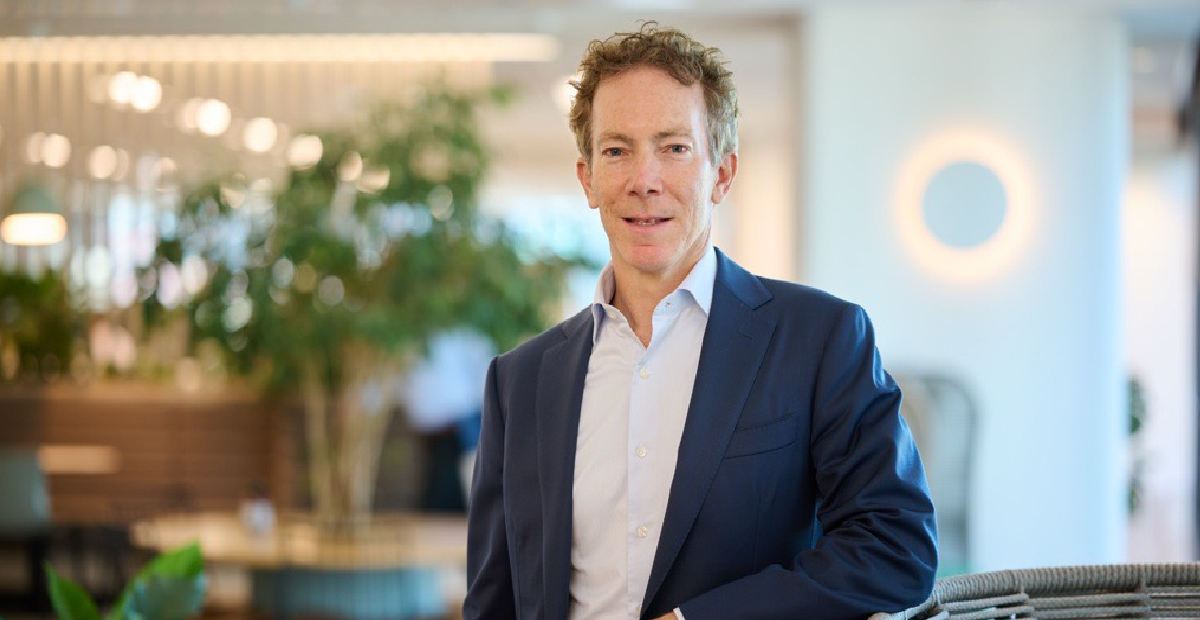
Vanguard Australia managing director Daniel Shrimski said the result represents a defining moment for the domestic ETF industry and reflects the growing role passive investing now plays in core portfolio construction.
“Reaching $100 billion in ETF assets is a landmark achievement. It highlights the growing role ETFs now play at the core of investor portfolios, and the trust that Australian investors have placed in us,” Shrimski said.
“We see significant opportunity ahead as ETF growth continues to accelerate across the Australian market for everyday Australian investors.”
The group’s performance, in large part, has been driven by its two major ETFs. Its largest product, the Vanguard Australian Shares Index ETF (VAS), manages $25.4 billion, while the Vanguard MSCI Index International Shares ETF (VGS) holds $16.4 billion.
Other major funds include the Vanguard High Yield Australian Shares ETF (VHY), with $7.5 billion in assets, and the Vanguard International Shares Hedged ETF (VGAD), which manages $7.2 billion.
The firm said the concentration of assets in its largest funds reflects the popularity of simple, index-based strategies that provide broad market access without active stock selection risk.
“Index investing offers a simple and effective solution. As Vanguard founder Jack Bogle famously said, ‘don’t look for the needle in the haystack, just buy the haystack,” Shrimski said.
The manager further pointed to the power of long-term compounding returns, saying a $10,000 investment in Australian shares made in 1995 would have grown to about $143,000 by 2025.
However, it also noted that analysis of active fund performance shows many managers fail to consistently outperform the S&P/ASX 300 index after fees over time, despite occasional periods of short-term outperformance.








If this does happen it will represent the biggest case of intergenerational theft ever. Older/pension members getting their balances artificially…
Didn't AusSuper lose over a Billion dollars in a failed investment in Plurasight?
There would be NO advice "vacuum" if the insane levels of red tape were removed. This conversation is utter nonsense.…
It is absolute rubbish to link industry fund conflicted advice with the prevention of fraud like Shield.
The Industry Funds want to create a situation where the product provider is able to isolate the advice process so…