
Vanguard’s ETF assets top $100bn in Australia first

Vanguard Australia has become the first exchange-traded fund (ETF) issuer in Australia to surpass $100 billion in assets under management, coinciding with the group’s 30th year of operations in the country.
The $17.86 trillion global asset manager reached the threshold on Monday, supported by sustained inflows into broadly diversified, rules-based portfolios and an ongoing shift by investors away from higher-fee active strategies across retail and advised channels.
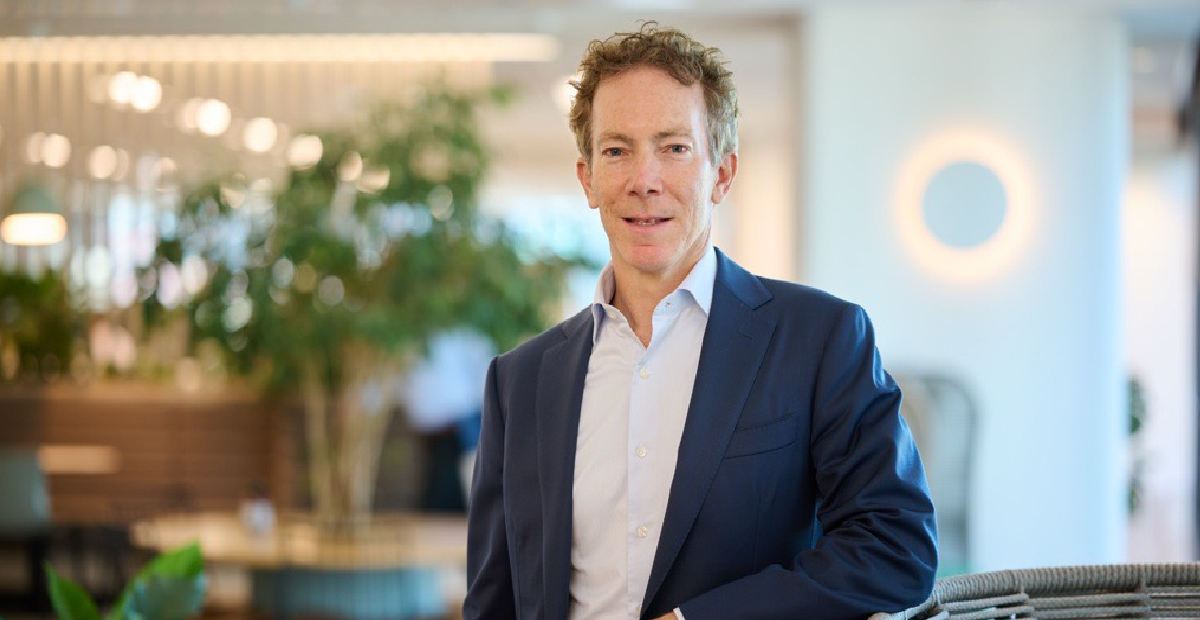
Vanguard Australia managing director Daniel Shrimski said the result represents a defining moment for the domestic ETF industry and reflects the growing role passive investing now plays in core portfolio construction.
“Reaching $100 billion in ETF assets is a landmark achievement. It highlights the growing role ETFs now play at the core of investor portfolios, and the trust that Australian investors have placed in us,” Shrimski said.
“We see significant opportunity ahead as ETF growth continues to accelerate across the Australian market for everyday Australian investors.”
The group’s performance, in large part, has been driven by its two major ETFs. Its largest product, the Vanguard Australian Shares Index ETF (VAS), manages $25.4 billion, while the Vanguard MSCI Index International Shares ETF (VGS) holds $16.4 billion.
Other major funds include the Vanguard High Yield Australian Shares ETF (VHY), with $7.5 billion in assets, and the Vanguard International Shares Hedged ETF (VGAD), which manages $7.2 billion.
The firm said the concentration of assets in its largest funds reflects the popularity of simple, index-based strategies that provide broad market access without active stock selection risk.
“Index investing offers a simple and effective solution. As Vanguard founder Jack Bogle famously said, ‘don’t look for the needle in the haystack, just buy the haystack,” Shrimski said.
The manager further pointed to the power of long-term compounding returns, saying a $10,000 investment in Australian shares made in 1995 would have grown to about $143,000 by 2025.
However, it also noted that analysis of active fund performance shows many managers fail to consistently outperform the S&P/ASX 300 index after fees over time, despite occasional periods of short-term outperformance.









"Let's call the Australian Financial Complaints Authority what it really is: Additional Fees Come After. Just another layer of cost on top of the…
How many millions have ASIC wasted on their pursuit of digital assets companies (Finder, Block Earner) who were trying to…
The only thing Advisers could agree with from Intercrap. AFCA, the Kangaroo court needs to be accountable for zero ability…
Although I believe Interprac has failed as a Licensee and hasn’t put in place an adequate level of monitoring and…
Is BID not a thing? Is the trusted adviser based on member retention within the IFS network? What a joke.