
AI spending broadens beyond hyperscalers

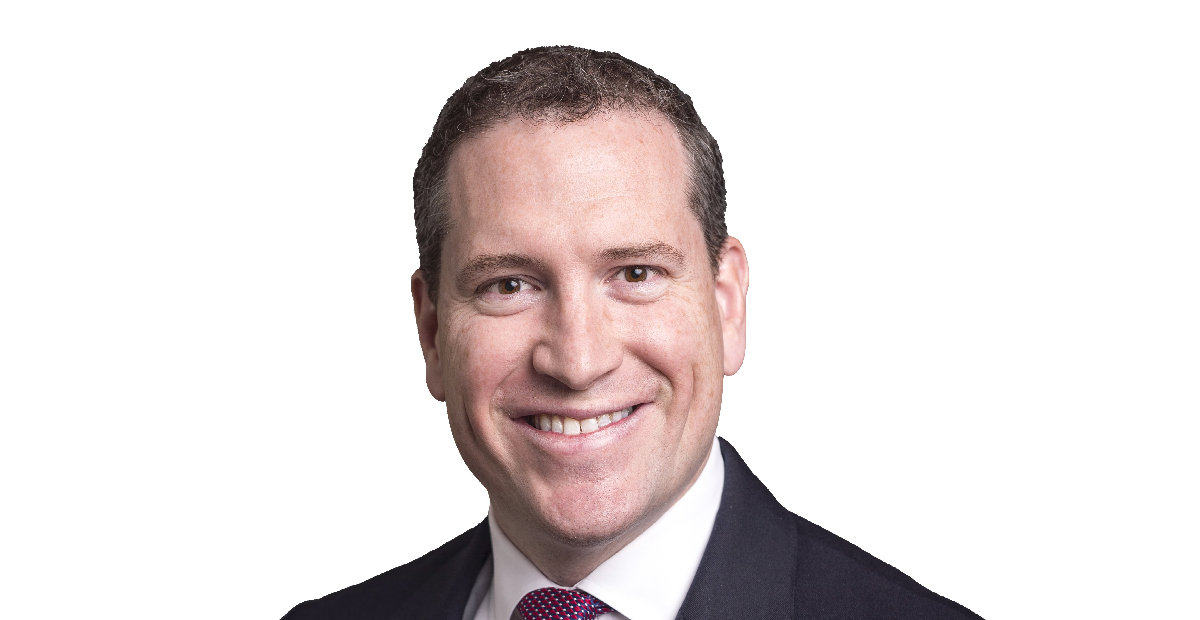
T. Rowe Price’s Jason Adams says the opportunity set in the artificial intelligence boom is shifting away from a narrow group of hyperscalers towards a much broader ecosystem.
Adams, portfolio manager at the $1.83 trillion asset manager, said investors were increasingly less focused on how much hyperscalers are spending and more on how that money is being allocated, and how widely the earnings benefits extend across the market.
“While capital expenditure (capex) remains durable and strategically unavoidable, the focus is shifting from the scale of hyperscaler spending to where that spending flows, which companies benefit, and how broadly the earnings impact spreads,” he said.
Adams said while the fundamentals of these companies remain strong, their stretched valuations and very high expectations make it increasingly difficult for them to maintain the same pace of market leadership.
“These have been strong businesses and clear beneficiaries, but elevated expectations, broad ownership, and demanding valuations make it increasingly difficult for them to keep driving market leadership at the pace seen earlier in the AI trade,” he said.
Instead, Adams said investors are starting to look further down the AI value chain, where incremental spending is still translating into differentiated earnings upside.
“Incremental dollars are increasingly flowing beyond silicon,” he said. “AI is no longer just a technology story; it is becoming a broader industrial and infrastructure investment cycle,” he said.
He added the shift is already visible in earnings dynamics earnings, with hyperscalers recycling operating cash flow back into infrastructure investment, while downstream industrial and hardware companies are beginning to benefit from stronger demand and improved operating leverage.
“The implication for positioning is clear: being ‘long AI’ remains compelling, but the next phase of the cycle is likely to reward selectivity over simple participation,” Adams said.









The irony of this is that the AIOFP has become a product provider and can now become a member of…
The government , and their bureaucrats, are out of control. They don' think twice about "an initial increased cost to…
so for someone who has already exchanged contracts on an off the plan build in an SMSF that doesn't settle…
My Dear Comrades....I don't think the Public Servants in the Department of Red Tape really care about "challenges".
Gender Super Gap is rather pointless as a measure of inequity when it only considers one part of a persons…