
Global share buybacks break records

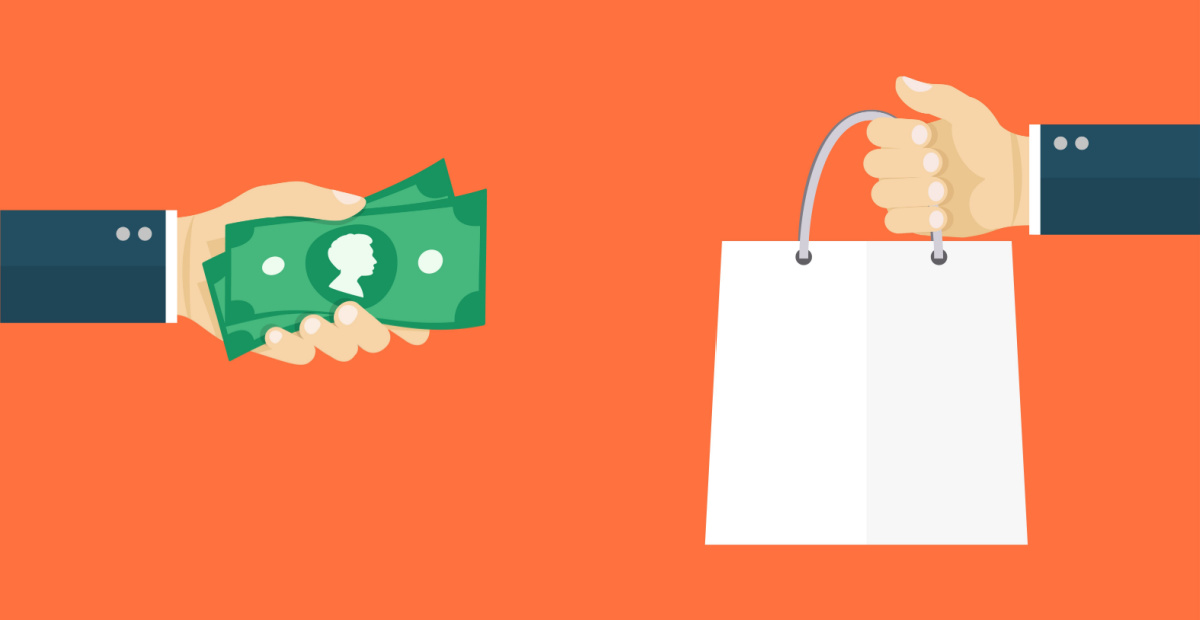
The latest reading of Janus Henderson’s Global Dividend Index has found share buybacks of the world’s top 1,200 companies surged to hit a new record high of $1.31 trillion for 2022.
Coming close to the $1.39 trillion the same firms paid out in dividends during the year, share buybacks saw a 22 per cent rise in share buyback value when compared to 2021 and a 182 per cent rise when compared to 2012, while dividends have only grown 54 per cent in the last decade.
Share buybacks were also only worth 52 per cent of dividends in 2012, but this has climbed to 94 per cent in 2022.
“The rapid growth in buybacks in the last three years reflects a strong profit and free cash flow performance and a willingness to reward shareholders without setting unintended expectations for dividends,” Ben Lofthouse, Head of Global Equity Income at Janus Henderson, said.
“Buybacks cannot always be relied on to enhance shareholder returns. Their discretionary nature makes them more volatile – as evidenced in 2020’s Covid disruption when they fell dramatically. In addition, they don’t always create shareholder value and some shareholders who rely on an income stream from their investments often prefer dividends.”
The index also found that companies belonging to the oil sector contributed the highest amount to the total value of share buybacks at $135 billion, more than four times their contribution in 2021.
It also recorded a large concentration of share buyback value in the media and technology sector, with Apple maintaining its status as one of the world’s largest buyers of its own shares with $89 billion in 2022 – close to seven per cent of the global total. The ten largest buyers also contributed to almost one-quarter of the global total.
Lofthouse said this has caused an increase in the importance of share buybacks.
“The global cost of capital is now significantly higher than in the last few years. The big question is what this will do to share buybacks in the months and years ahead,” he said.
“When companies could essentially access finance at almost zero cost, there was a huge incentive to issue debt and buy back shares as this added immense value. For companies generating very large amounts of cash, like Apple or Alphabet, this is not a major factor.
“For others, especially in the US, that have used borrowing to fund buybacks, the calculations will now be much more finely balanced.”





The irony of this is that the AIOFP has become a product provider and can now become a member of…
The government , and their bureaucrats, are out of control. They don' think twice about "an initial increased cost to…
so for someone who has already exchanged contracts on an off the plan build in an SMSF that doesn't settle…
My Dear Comrades....I don't think the Public Servants in the Department of Red Tape really care about "challenges".
Gender Super Gap is rather pointless as a measure of inequity when it only considers one part of a persons…