
Inflation too ‘uncomfortably sticky’ for RBA to justify rate hold

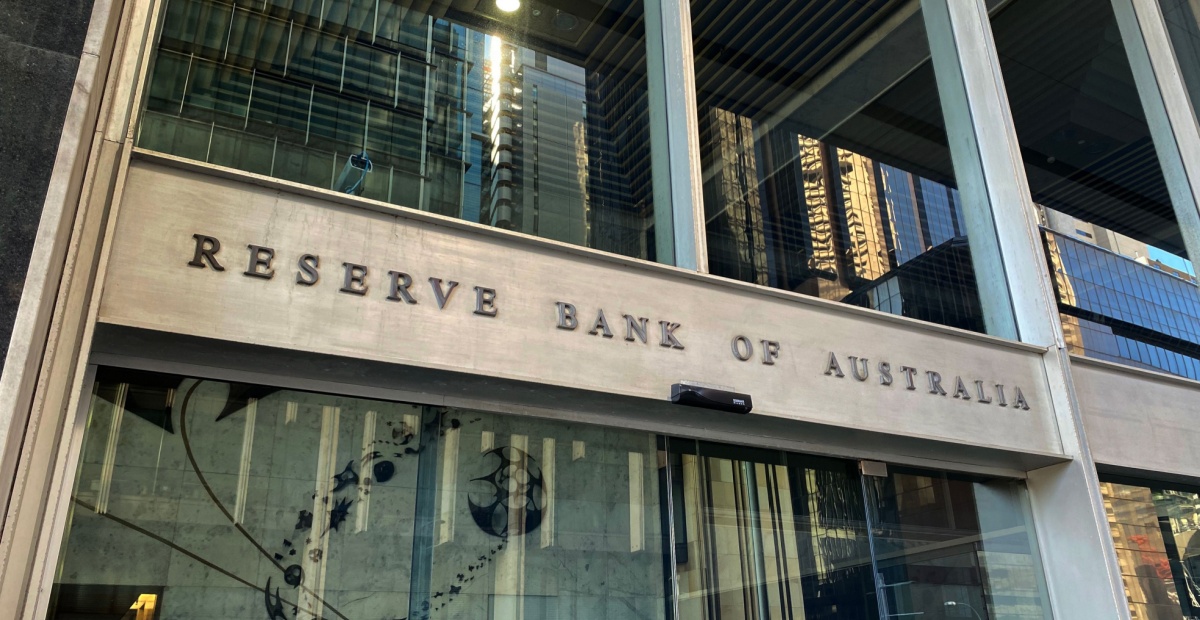
The fact that the Reserve Bank of Australia’s (RBA’s) monetary policy decision for May to increase the official cash rate by a further 25 basis points to 4.35 per cent was determined by an 8-1 majority – compared to March’s slim 5-4 vote to hike – points to the central bank’s near-certainty that the economy may not be able to endure such sticky inflation.
In its Statement on Monetary Policy for May, released alongside its latest policy decision yesterday, the RBA confirmed its concerns that inflation was already on a strong upward trajectory since the middle of last year – a trajectory that has only been propelled even further since conflict in the Middle East broke out and fuel prices skyrocketed.
While the RBA noted that it expects household and business spending to fall as a result of the interest rate rises and higher fuel prices, as well as the jobs market to remain “healthy”, MLC Senior Economist Bob Cuneen indicated this outlook may be somewhat “optimistic”.
“The primary justification for raising interest rates is concern that Australia’s annual inflation is heading higher in coming months. Soaring fuel prices given the Iran War is cited as the primary catalyst for the RBA’s move,” he said.
“The RBA has now updated their headline inflation forecasts. Australia’s inflation is now expected to climb to 4.8 % in June 2026 compared to their prior forecast of 4.2 %. For December 2026, the inflation forecast has been raised to 4.0 % from 3.6 %.
“Notably the RBA is forecasting that inflation will moderate to only 2.4 % next year. This appears based on the Brent Crude Oil price falling from currently US$110 per barrel towards US$75 in 2027. Clearly this implies that the central bank is assuming that the Iran War ends this year.
“Given the present blockade in the Strait of Hormuz and stalemate between Iran and the United States, the RBA oil price assumption is clearly optimistic.”
BlackRock Australia’s Head of Fixed Income and Credit Product Strategy, Katherine Palmer, suggested the latest decision has provided the RBA with enough leeway to potentially slow down the pace of its tightening cycle.
“The Reserve Bank’s decision to raise rates reflects its concern that inflation remains uncomfortably sticky, particularly following the recent energy price shock. With headline inflation lifting sharply and fuel prices elevated, the risk is that higher inflation feeds into expectations and becomes self‑reinforcing,” she said.
“Australia entered the year in a relatively strong position, with solid growth, low unemployment and healthy household buffers, giving the Bank some scope to prioritise its inflation mandate even as economic momentum slows.”
Kellie Wood, Head of Fixed Income at Schroders, agreed that the central bank has the room to take a cautious approach from here on out.
“At first glance, the statement is hawkish with focus on early signs of second around inflationary effects with firms experiencing cost pressure and inflationary expectations rising.
“But given downside risks to growth and higher energy prices is associated with a more material decline in aggregate demand, the RBA should have a cautious approach from here, especially having raised the cash rate for the third time this year. We still believe the market has too much priced for tightening and see the RBA on hold from here.”
HSBC’s Chief Economist, Paul Bloxham, noted that with yesterday’s decision, the RBA has now reversed its full loosening cycle from last year that delivered 75 basis points in cuts.
“With today’s full reversal of last year’s cuts, the post-meeting board statement noted that it is the board’s view that the RBA is now ‘well placed to respond to developments’. Our take is that the hikes delivered now allow the RBA to be in ‘wait and see’ mode, like many of the other central banks.
“On the RBA own forecasts, we found it interesting how much the central forecasts have discounted the recent sharp decline in the sentiment indicators and the readings from the RBA’s own liaison results, which the statement shows imply a sharp decline.
“That being said, the RBA did revise down its growth forecasts for 2026 by 0.5ppts, to 1.3% y-o-y and nudged the growth forecasts lower for 2027 to 1.4%, from 1.6% y-o-y – its lowest medium-term growth forecast on record.
“Despite these downward revisions, the RBA seems to be far more optimistic on the jobs market, and has only raised its forecasts slightly for the unemployment rate – with it now rising to 4.7% by the end of the forecast horizon, from 4.6% previously.”
Adam Bowe, Head of Australia Portfolio Management at PIMCO, highlighted the uncertainty that is clouding the effectiveness of monetary policy decisions.
“Financial conditions have tightened materially for Australian households and businesses via higher mortgage rates, a higher exchange rate, higher energy prices, and a softer outlook for asset prices such as housing.
“The tailwinds that supported a growth recovery in 2025 are now headwinds. The cash rate is back to its cycle peak, the tax cuts of 2024 are well behind us, the sharp rise in fuel prices risks a contraction in real household incomes again, and the positive wealth effect from rising national house prices is moderating with outright declines in Sydney and Melbourne over recent months.
“The near term outlook remains very uncertain particularly with regards to longevity of the conflict in the middle east and its economic implications, however history suggests that current monetary policy settings in Australia will be very restrictive for households.
“While near term inflation risks remain, medium term growth risks are increasing suggesting a more cautious policy approach going forward.”







so for someone who has already exchanged contracts on an off the plan build in an SMSF that doesn't settle…
My Dear Comrades....I don't think the Public Servants in the Department of Red Tape really care about "challenges".
Gender Super Gap is rather pointless as a measure of inequity when it only considers one part of a persons…
The problem with the left is not just their identity politics, but that they think the government must provide everything…
Arrogant Snake Chalmers