
Trade truce or not, tariff pain will hit US in months

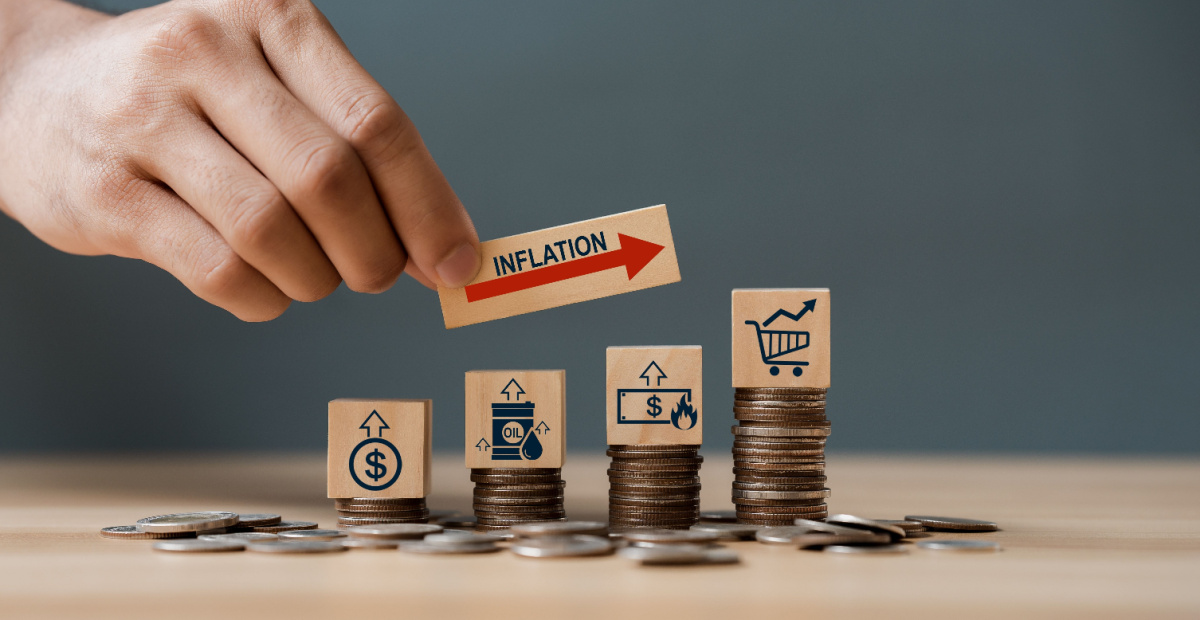
While an anticipated easing in trade tensions between the US and China has buoyed market sentiment, the full inflationary impact of the existing tariff regime is yet to be felt in the US economy, and will likely only emerge in the late second quarter (Q2) of this year, a leading strategist warns.
The US’s April CPI report, released yesterday, threw up a surprise annual headline inflation figure of 2.3% – the lowest year-over-year gain since February 2021.
Core inflation, which strips out food and energy prices, was also relatively muted, with the annual rate unchanged at 2.8%.
According to Seema Shah, chief global strategist at Principal Asset Management, the softer-than-expected inflation report suggests that the existing tariff regime has yet to feed through to inflation.
“Not only is the April CPI report unlikely to have fully captured the tariff impact post-Liberation Day, but inflation numbers will now be further whipsawed by the US-China temporary trade truce announcement,” she says.
She notes that, despite the temporary reprieve between the two biggest trading partners (with an agreement by the US to cut 115-percentage points in reciprocal tariffs with China for 90 days, as well as the promise from Trump of a “trade reset”), tariffs today are still markedly higher than at the start of the year, with significant levies in place for most US trading partners.
This includes a remaining 30% levy for goods imported from China (alongside a 54% tax on small packages from the country).
As a result, Shah says, the “inflationary impulse” is yet to hit the US economy, and will likely only emerge at the latter end of Q2 this year.
She acknowledges that the inflationary impact “may be partially and quickly eroded” should container traffic between the countries promptly resume as a result of the temporary trade thaw.
However, a “clear read on the inflation trend won’t be visible for several months yet”, she warns.
Resultingly, the US’s policy rate setter, the Federal Reserve, may be forced to prolong its rate pause for some time.
The Fed maintained its policy rate at 4.25%-4.50% in its May meeting, its third consecutive rate hold (since December 2024).









if Peter Johnston had stood back and actually thought about what was happening I dare say he's forgotten that there…
…but, if the adviser joins another dealer group, then its business as usual?
"You will no longer be able to view and manage policies for your existing clients using your adviser log-in (‘a’…
I can provide quality & appropriate advice in about 1 hour with implementation on top.....I can provide "compliant" advice following…
Freaking clown....we're drowning in red tape and you're pushing this @$@$... and blaming advisers.