
TAL dominates life market share

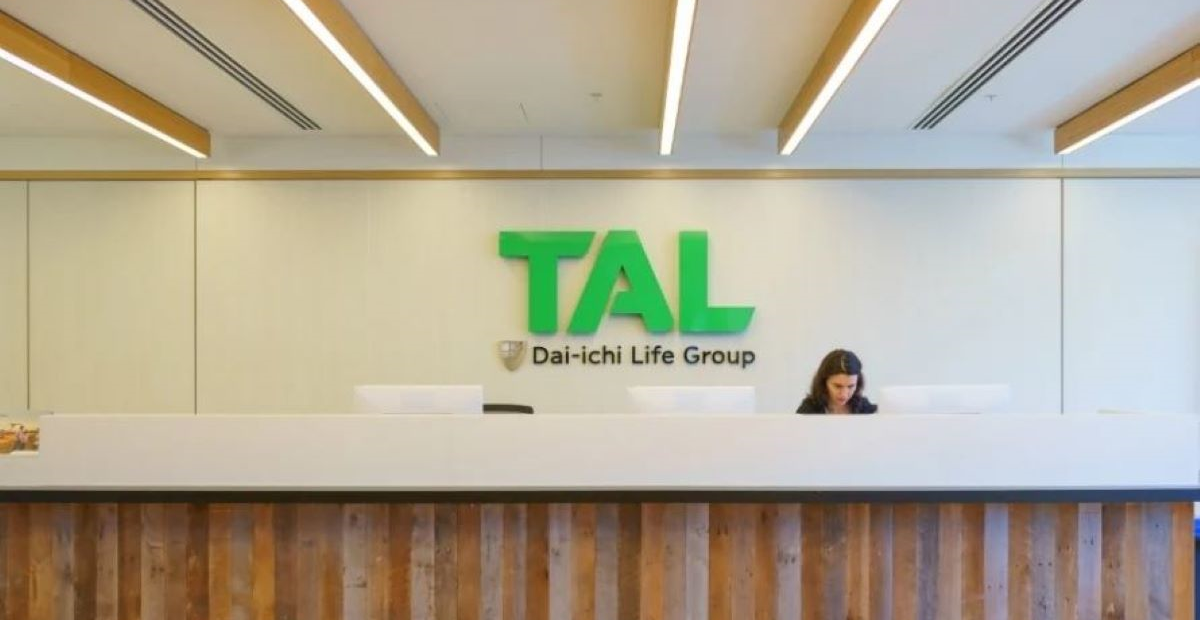
TAL is by far Australia’s largest life insurer commanding 32.8% of the market, according to the latest data from specialist research house, Dexx&r.
The latest Dexx&r analysis shows that TAL’s acquisition of the Westpac Life Insurance business restored its strong dominance of the sector, notwithstanding AIA Australia’s acquisition of Comminsure and Zurich’s acquisition of ANZ’s OnePath.
According to the analysis this is how the market share breaks down.
TAL/Westpac 32.8%
AIA/CommInsure 19.8%
Zurich/Onepath 14.6%
MLC Life 11.5%
Resolution Life (AMP) 8.8%
The latest Dexx&r analysis also reveals how the life insurers have managed to sustain their profitability in the group life insurance space, notwithstanding the former Government’s Protecting Your Super measures which removed younger, low balance superannuation fund members from default group life cover.
The analysis shows that while the life insurers are covering few superannuation fund members, the total premium they are receiving has increased as a result of repricing existing benefits.
It found that total in-force Group Risk Premium increased by 4.2% from $6.8 billion in December 2021 to $7 billion over the 12 months to December, 2022.
The data also confirm that many consumers are continuing to defy the expectations of the Australian Prudential Regulation Authority (APRA) by sticking with their Disability Income Insurance (DII) products.
The Dexx&r analysis show that consumers recognised that their existing products offered better terms and conditions than the new products on offer, meaning policy discontinuances have remained at historically low rates.
The Dexx&r analysis was released at the same time as APRA released its Life insurance claims and disputes statistics for the 12 months to the end of December, last year, which amongst other things revealed a spike in dispute lodgements around IDII.
The regulator attributed this to “the various repricing activities undertaken to address the product’s sustainability issues.










A 15% decrease in TPD premiums! Well, that is the opposite of what they are saying about retail TPD. AIA…
The advice community has no political capital and that is all that matters to the narcissists in Canberra. Why do…
and I am a risk writer only no fees, so the CSLR is a cruel blow to us, I like…
Too bad the guard dog was asleep on the couch when the burglars from Shield broke in and walked straight…
Wow! And Telstra walked away from the Equip merger because it wasn't in the best interests of it's members! Hard…