
EM real estate and infrastructure attractive for sovereign investors


Sovereign investors, who are growing in scale and currently managing US$33 trillion in assets, are rebalancing towards emerging markets (EMs) where the growing populations offer long-term opportunities in real estate and infrastructure.
The 10-year edition of the Invesco Global sovereign Asset Management Study has confirmed an “inexorable rise” of sovereign global investors who are now set to become the most influential institutional investors in the world ad they have been growing in sophistication and transitioning from once custodians of state assets to more conventional global investors with aggressive return targets.
The past decade had also seen a growth in the number of development sovereigns, particularly in emerging markets such as in Africa, given the funds’ commitment to developing the local economies.
There were created 12 new sovereign wealth funds in Africa over the last ten years, of which 11 had a strategic role in developing their local economies, the survey found.
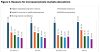
Although the US had supplanted the UK as the most desirable destination for investments and remained a major destination for investment over the past decade, sovereigns expressed a need towards more balanced global exposure to avoid becoming overly reliant on returns from the US market, according to the Invesco’s survey.
On the other hand, emerging markets looked set to benefit from this rebalance and with Asian allocations limiting their China exposure, India, underpinned by strong demographics and positive economic reforms, had overtaken China as the most popular emerging market.
Martin Franc, Invesco Australia Chief Executive Officer, said that demographic patterns had become a key theme in recent discussions with sovereigns.
“As very long-term investors, they are generally more comfortable with the political and currency risks often found in countries with rapidly growing populations, which can deter other institutional investors. In particular, these markets are seen as offering long-term opportunities in real estate and infrastructure.”
At the same time, the sovereign allocations to private equity, real estate and infrastructure had risen from 8% in 2013 to 22% in 2022, with sovereign funds currently managing $719 billion in private assets, up from $205 billion in 2011.
“However, sovereigns have had to compete with other large institutional investors for these assets, and in recent interviews many have questioned whether this pace can be maintained over the next decade. One APAC-based respondent remarked that the “ever greater demand for private markets… tilts against asset owners in terms of pricing and is likely to create challenges over the long term,” the report said.
“Rising yields may offer a release valve. From 2013/14 to 2021/22, liability sovereigns’ fixed income allocations had fallen from 38% to 29%, but this trend could be set to reverse in the coming years, with many noting that fixed income is once again showing defensive, long-term diversification potential.”









so for someone who has already exchanged contracts on an off the plan build in an SMSF that doesn't settle…
My Dear Comrades....I don't think the Public Servants in the Department of Red Tape really care about "challenges".
Gender Super Gap is rather pointless as a measure of inequity when it only considers one part of a persons…
The problem with the left is not just their identity politics, but that they think the government must provide everything…
Arrogant Snake Chalmers