
Macquarie AM boosts ETF range, taps into active equities expertise

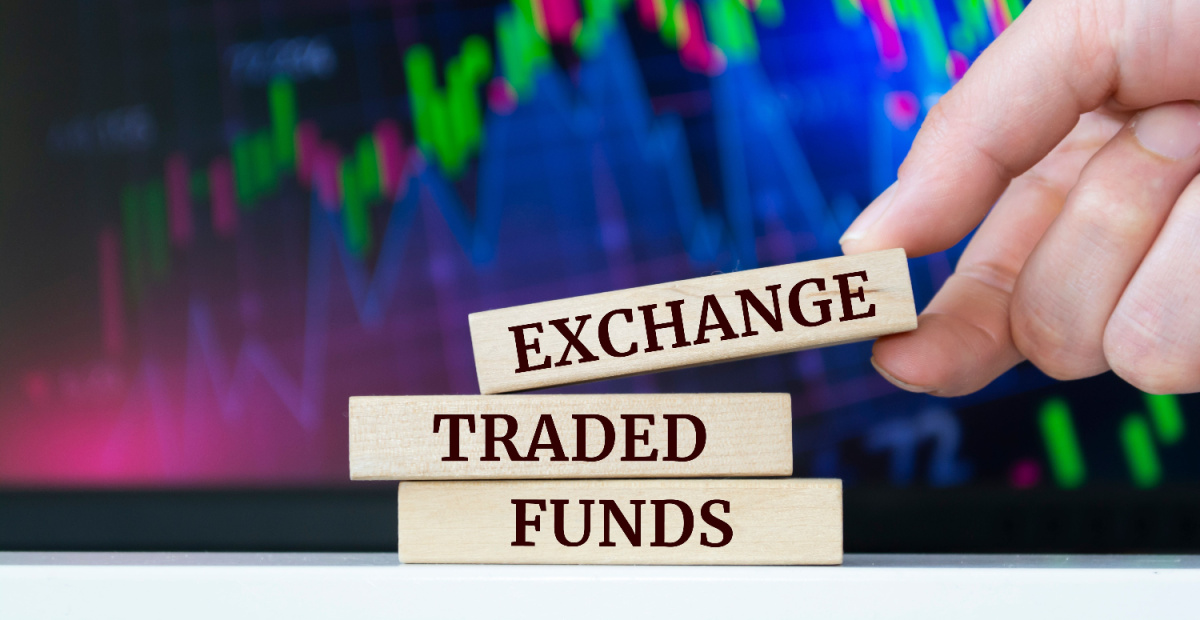
Macquarie Asset Management (Macquarie AM) has announced a new range of products are to be added to its new exchange traded platform (ETF) that leverage its systematic active equities expertise.
The new product suite provides investors access to an active equity strategy packaged in ETF form, designed to address investor demand for “institutional quality portfolio building blocks” with the possibility of “above index returns and a fee structure aligned to performance”.
“Our aim with these new ETFs is to build a stable, more risk aware and balanced fund portfolio with significantly reduced impact from human bias,” Scot Thompson, Co-Head of Macquarie Systematic Investments, said.
The new systematic active ETFs leverage Macquarie AM’s 30 years of investment management experience, with the Macquarie Core Australian Equity Active ETF (MQAE) catering to investors looking for close to 200 ASX shares in one trade with a 0.03 per cent p.a. management fee. The Macquarie Core Global Equity Active ETF (ASX:MQEG) comprises around 400 – 500
systematically selected global shares in a single trade, with a 0.08 per cent p.a. management fee.
“We’re very conscious of how many stocks we hold, what their weights are, and what the outcome might be from a risk and exposure point of view. We have built a naturally adaptive mechanism so it can adjust to opportunities and risks as they emerge,” Benjamin Leung, Co-Head of Macquarie Systematic Investments, said.
The ETFs also seek to outperform their benchmark, leveraging a mix of data science and human intelligence.
“These actively managed ETFs can work well as long term core portfolio allocations, as they aim to deliver consistent excess returns. There’s still a role for passive investing at the core, but systematic active ETFs provide investors with the potential for better returns,” Blair Hannon, ETF Investment Strategist at Macquarie Asset Management, said.
“This is because we don’t just follow an index, we start with it, and add a systematic process that seeks to enhance returns over index performance.”








Imagine if we had "Bank Aligned Adviser" But apparently this is different...... I wonder if they take the IFS Trusted…
So is this a different animal to "Qualified Adviser" ? Did we ever find out who thought of the name…
How about we given them a correct designation as GDJ (Glorified Desk Jockey)
So! Who makes the decision on a “trusted” adviser ? What qualifications do you need? Why mother about obtaining a…
How do you become a IFS Trusted Adviser? integrated selling???