
Kevin Warsh faces inflation and impatient Trump at Fed

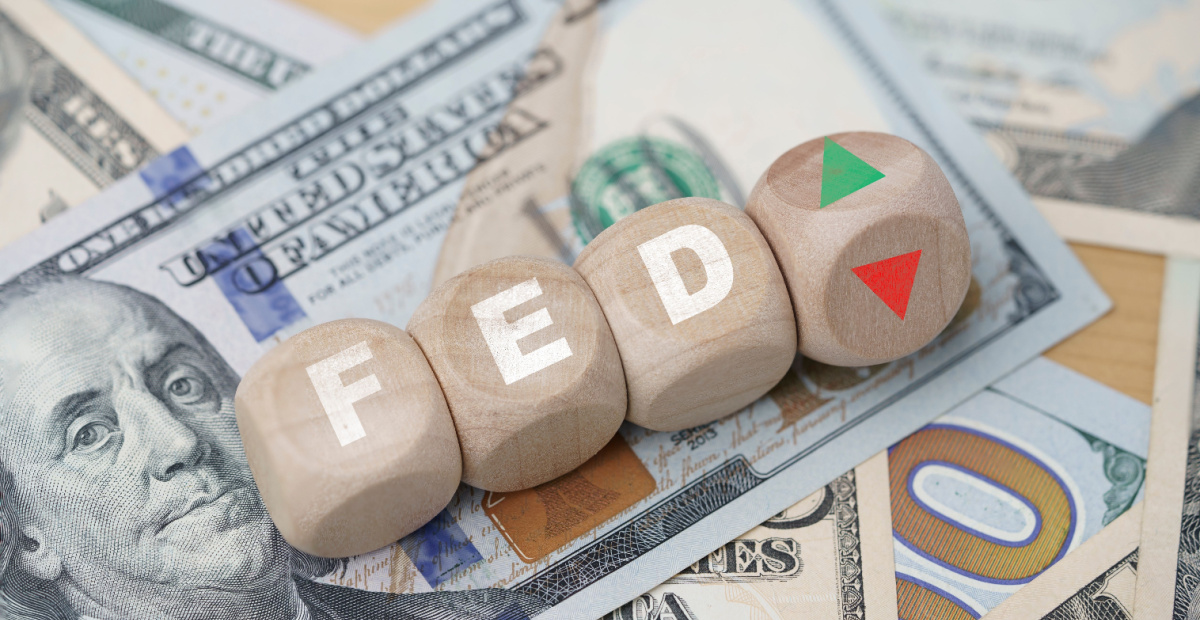
Incoming Federal Reserve chair Kevin Warsh is set to inherit one of the most politically charged tenures in institution’s history, caught between resurgent inflation and President Donald Trump’s demands for lower interest rates, says deVere chief executive, Nigel Green.
The former Fed governor, 56, is expected to assume the chair imminently after Senate confirmation, succeeding Jerome Powell at a moment of deepening unease inside the US central bank over the inflation outlook and the future direction of monetary policy.
Data released on Wednesday showed headline consumer prices rising 3.8% year-on-year in April, driven largely by surging energy costs following the escalation of conflict with Iran and disruption to oil flows through the Strait of Hormuz.
Core inflation, which strips out volatile food and energy prices, also remained elevated at approximately 2.8%, well above the Fed’s 2% target.
The figures have sharply reduced expectations that the Fed will be able to deliver a meaningful series of interest rate cuts this year or early next year, despite signs of softer economic growth emerging elsewhere in the economy.
Green said the latest inflation print leaves Warsh with little room to manoeuvre before he has even formally taken office.
“This CPI print has boxed the next Fed chair in before he even sits down,” he said. “Kevin Warsh wants room to reduce rates, but the inflation data simply does not give him that space without credibility risk.”
The federal funds rate sits in a restrictive range of 3.50% to 3.75%, and while investors previously anticipated a gradual easing cycle through 2026, they have now scaled back expectations sharply as inflation proves more persistent than policymakers had hoped.
“This is not a normal situation,” Green added. “You have an oil-driven inflation shock layered on top of already sticky services inflation. This means any aggressive rate cuts would look premature to markets and could easily re-ignite price pressures.”
“Trump is publicly pushing for lower rates, but the Fed is walking into a completely different data environment. Warsh is, therefore, being pulled into a triangle of inflation pressure, political demand and market expectations that don’t align.”
Green said the challenge for the Fed now extends beyond the timing of any future rate cuts and into the question of institutional credibility.
“The danger for the Fed is not whether rates come down this year or next. It’s whether markets believe decisions are being driven by data or by pressure. This critical credibility gap is what every central bank fears,” he said.





They promised no changes. They changed everything. Classic Lying Labor. Your property and share portfolios are now officially invited to…
I’m loving the fifth paragraph here regarding litigation.
Not only that but double taxation is back. They were afraid of the Bendel decision coming from the high court…
Leaked cheat sheet reveals how Labor MPs are being coached to sell you on Albanese's broken promises
You seem to have gone to the same business school as Donald Trump