
Why Aussie equities are a hard sell


It is difficult to build a strong case for Australian equities for the remainder of this year due to a combination of limited domestic exposure to artificial intelligence and relatively tight local monetary policy, according to research and ratings house, Zenith Investment Partners.
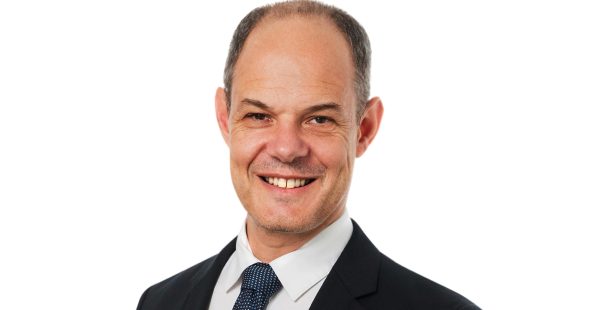
Zenith’s head of Asset Allocation, Damian Hennessy has issued an assessment under the headline that Australian equities are a complete laggard compared to their global peers.
Hennessy says that a lack of exposure to artificial intelligence in the Australian market has been a factor, but Australia’s interest rate positioning is also headwind for markets “particularly when you go it alone”.
The bottom line, he says, is that Australia’s monetary policy is encouraging investors to look elsewhere.
“Rate hikes will eventually impact growth, and that gives investors an excuse to look to other areas where growth outlooks are improving,” Hennessy said.
Hennessy says while the ASX’s materials and resources sector has provided some relief, most large cap stocks have disappointed.
“Australia has a healthy mining sector, but everything outside that in the large cap space has been a drag on the market, and the outlook isn’t looking much better for the rest of 2026,” Hennessy says.
“Earnings signals indicate that the most positive markets are the US and Japan. Japan also stacks up well on monetary conditions. And on a valuation basis, the UK and Europe stand out.
“Australia doesn’t really rate highly on any individual driver, and this is a problem.
“Until we start to see a valuation signal or earnings signal that looks positive, it is hard to build a case for the broad Australian market to do well. But that is not to say the resource sector specifically can’t do well.”
As a result, Hennessy prefers global equities over domestic equities but flags the global monetary policy cycle as a key risk for months ahead.
“We are overweight global equities and underweight Australia. We like the US, emerging markets and Japan specifically,” Hennessy says.
“One of the key factors we will be looking at over the next few months will be the monetary policy cycle. We seem to be coming out of a phase where the majority of central banks were easing, to a phase that could see central banks tightening.
“Traditionally, when that happens, it tends to be a headwind for the likes of emerging markets and Japan. We aren’t at that stage yet, but it is certainly something we’ll be watching closely.”
On fixed income, Zenith is more positive on Australian, Japanese and UK sovereign bonds, which it regards as trading near fair value. US bonds, by contrast, are considered relatively expensive at current levels, which Hennesy says warrants a more cautious approach.
“While we are negative on Australian equities, it’s almost the complete opposite when you look at Australian bonds,” Hennessy says.
“To build a case for rates to go above 4.6 per cent, then you’re arguing that the economy is either going to be amazingly resilient and growing at 2.5 per cent, or inflation is going to move beyond 3.5 per cent in core terms – neither of which I think is likely. So, with bond markets close to 5 per cent, I think it’s factoring in all the bad news.”









FAAAAAAAAAAAAAAAAA sound like an ISF mouthpiece. ASIC need to stop SMSF Property spruikers, I have handed them a case for…
Seriously FAAA? How about you focus on the detriment of CGT and negative gearing changes to share portfolios and stay…
No - no carve outs for accountants. If they want to provide financial advice, they can jump through all the…
Many accountants already provide bucket loads of illegal AFSL Super / SMSF Advice and ASIC do nothing about it. Accountants…
The biggest issue last time was completing rollovers to an SMSF and losing insurance. SMSF’ with a bank account that…