
T. Rowe Price flags heightened US Treasury volatility


The latest commentary from global asset manager, T. Rowe Price, has pointed to a strengthening manufacturing cycle as the area to watch amid expectations of rising US Treasury market volatility.
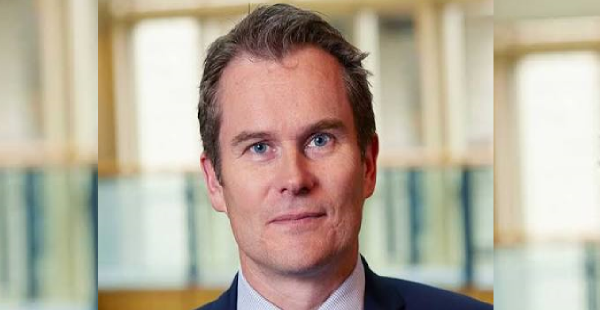
Adam Marden, Co-Portfolio Manager of the US$1.89 trillion asset manager’s Dynamic Global Bond Strategy, said investors should look beyond the next inflation print and more closely at the growing manufacturing theme as the key driver behind impending rate movements.
“Much of the recent move in rates appears to have been driven by positioning, as the market had become relatively short,” he said.
“However, in our view, the more important issue for rates is not necessarily the next Consumer Price Index release, but the manufacturing cycle and what it implies for nominal growth.
“In our view, the Fed is operating in an environment that looks closer to the 1990s and early 2000s than the post-global financial crisis period. With real growth and inflation accelerating year over year, the Fed has to be much more reactive.
“Reduced forward guidance and a more data-dependent Fed should translate into higher rates volatility. At the end of the day, volatility is likely to go higher because nominal growth is moving higher.
“The front end of the Treasury curve is especially important. Balance sheet dynamics and commercial bank balance sheet deregulation are relevant for funding markets, but we believe their impact will take more time to transmit through the broader curve than many investors may expect.
“We expect higher volatility at the front end, although the process is likely to be gradual. Recent funding-market episodes suggest the Fed remains sensitive to market functioning and may respond if pressures become more pronounced.”
Marden also suggested the impact of artificial intelligence (AI) capital expenditure on the Treasury market should not be underestimated.
“The AI capital expenditure cycle is significant in scale; in our view, this is not a narrow theme. The scale of AI-related investment is larger, as a share of global GDP, than the Chinese commodity supercycle,” he said.
“This rise in capital intensity across the economy should be productivity-enhancing over the long term. In rates markets, that dynamic could drive the front end and belly of the curve higher while keeping the long end relatively anchored.
“As capital intensity increases alongside a stronger manufacturing cycle, it is likely to reinforce a higher nominal growth environment, supporting higher front-end yields over time.
“As long as the Fed maintains credibility, which we believe it will, the front end and belly of the curve could remain higher over the next two to three years, reflecting stronger manufacturing-cycle dynamics and a more reactive policy environment.”







ASIC's real strength is writing a report and then finding research findings to support what they wrote based upon their…
ALP, Unions and Industry Super Funds are that far into each other's pockets it would criminal if anyone bothered looking.…
Isn’t that interesting. Soon after their Labour Party mates shut down the transfer to SMSFs for purchasing property, now they…
The good old ACTU mafia are back in town. The criminal arm of the Labour Party with their bookie mates…
These Government clowns can't do their own job but want more and more involvement in our lives. Just go away…